
Kolaba Fort: The Stone Guardian of Alibaug
Welcome back to our tour of Maharashtra’s grand history! Today, we are swapping the high mountain peaks for the salty breeze of the Arabian Sea. We are visiting Kolaba Fort, also known simply as the Alibag fort. This is not your typical fort; it is a sea fort that plays a game of hide-and-seek with the tides. If you want to experience the feeling of walking through the ocean to reach a massive stone castle, then kolaba fort alibaug is a place you cannot miss.

Kolaba Fort is located right in the middle of the sea, about 1 to 2 kilometers off the shores of Alibaug in the Konkan region. While many people confuse it with the “Colaba” area in Mumbai, this kolaba is the heart and soul of Alibaug’s coastline.
The location is unique because the fort is built on a small island that becomes accessible by foot only during low tide. It is the most famous of the forts in alibaug and is a major landmark that you can see clearly from the main alibaug beach fort area.
2. Why This Fort Is Famous
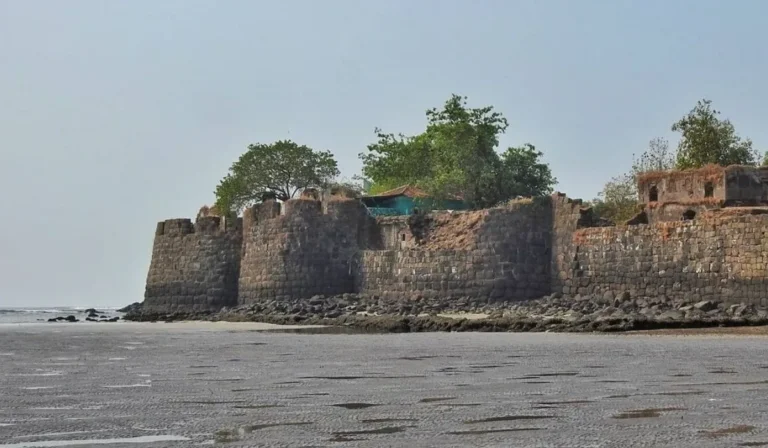
This fort is famous because it is a “walking fort.” During low tide, the water recedes, and a sandy path appears, allowing tourists to walk or take a horse-cart directly from colaba beach alibaug to the fort gates. When the high tide comes, the path disappears under several feet of water, and the fort becomes a lonely island again.
It is also famous for its incredible Maratha architecture. Despite being surrounded by the salty Arabian Sea for over 300 years, the fort still stands strong. Another mystery that makes it famous is its freshwater wells; even though it is in the middle of the ocean, the water inside the fort is sweet and drinkable!
3. Detailed History of the Fort
The history of this fort is filled with stories of the brave Maratha navy.
- Shivaji Maharaj’s Vision: Chhatrapati Shivaji Maharaj chose this site in 1662 to build a naval base that could keep an eye on the British, Portuguese, and the Siddis of Janjira.
- The Golden Era: The fort became the main headquarters of the Maratha Navy under the command of the legendary Admiral Kanhoji Angre. He was so powerful that even the European navies were afraid of him.
- Resisting Invasions: The British and Portuguese attacked the fort many times, but they could never capture it in a direct battle. It remained a strong shield for the Konkan coast for a very long time.
4. Architecture & Strategic Importance
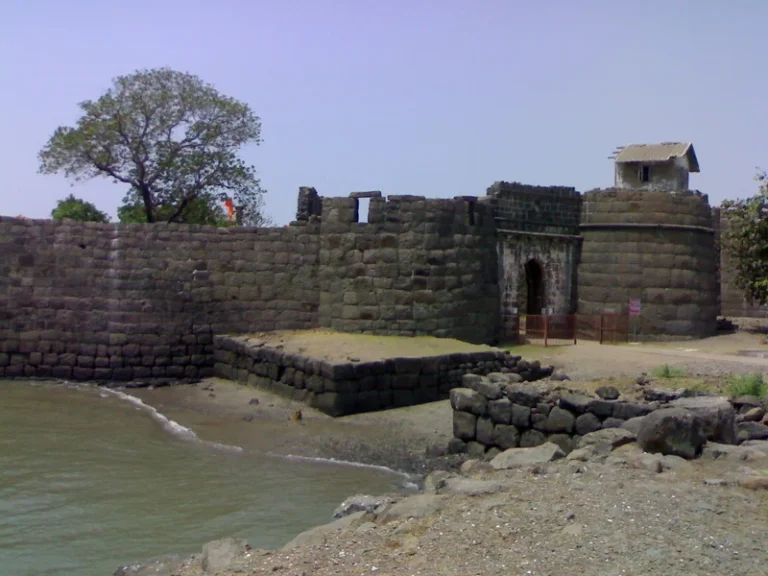
The architecture of kolaba fort is designed to withstand both enemy cannons and the crashing waves of the sea.
- The Walls: The fort walls are about 25 feet high and are made of heavy black stone.
- Strategic Gates: There are two main gates. One faces Alibaug (the Mahadarwaja) and the other faces the open sea (Darya Darwaza).
- Sweet Water Wells: The internal freshwater tanks are a marvel of ancient engineering, ensuring that the soldiers never went thirsty even during long sea blockades.
- Security: From the bastions, soldiers could spot enemy ships from a great distance, making it impossible for anyone to sneak up on the Alibaug coast.
5. How to Reach the Fort
Reaching the fort is an adventure in itself:
- By Road: Alibaug is well-connected to Mumbai (100 km) and Pune (150 km). You can drive down or take a direct bus to the Alibaug bus depot.
- By Ferry: The most scenic way is to take a ferry from the Gateway of India or Bhaucha Dhakka in Mumbai to Mandwa Jetty, then a bus to Alibaug.
- Reaching the Island: Once you reach colaba beach alibaug, you have two choices depending on the tide:
- Low Tide: You can walk the 1-2 km distance through the wet sand and shallow water.
- Horse Cart: For a small fee, you can enjoy a ride on a horse-drawn carriage that takes you across the seabed.
- Boat: During medium tides, small boats sometimes operate, but usually, the fort is closed during high tide for safety.
6. Trek Information
Since this is a sea fort, there is no “mountain climbing” involved.
- Difficulty: Very Easy. It is a flat walk on the sand.
- Duration: The walk from the beach to the fort takes about 20 to 30 minutes.
- Routes: There is only one straight path from the shore to the main entrance.
7. Entry Fees, Timings & Permissions
- Entry Fee: There is a small entry fee (approx. ₹20-₹25) collected by the Archaeological Survey of India (ASI) at the fort gate.
- Timings: Usually 10:00 AM to 5:00 PM, but this strictly depends on the tide.
- Tide Timings: This is the most important part! Always check the local “Tide Table” or ask the locals at the beach. If you go during high tide, you will not be allowed to enter.
8. Best Time to Visit
- Winter (November to February): The best time! The sun is pleasant, and the sea is calm.
- Monsoon (June to September): The fort is often closed during heavy rains because the sea becomes rough and unpredictable. It is beautiful to look at from the shore, but reaching it is dangerous.
- Summer (March to May): It can get very hot on the open sand, so visit in the early morning or late afternoon.
9. Things to See on the Fort
- Ganesh Panchayatan Temple: A beautiful, peaceful temple inside the fort built by the Angre family.
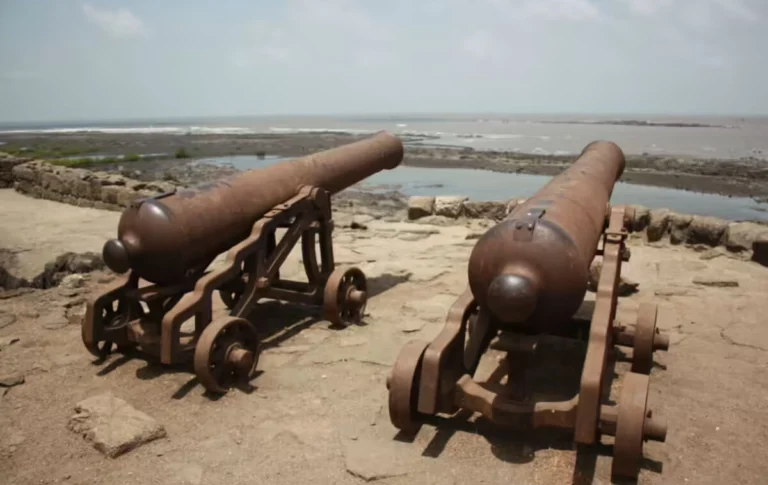
- Old Cannons: You can see several large cannons still sitting on the bastions, pointing toward the sea.
- Sweet Water Well: Check out the wells to see the fresh water for yourself!
- Haji Kamaluddin Shah Dargah: A shrine located inside the fort, showing the mixed culture of the region.
- Carvings: Look for the stone carvings of tigers, elephants, and peacocks on the walls.
10. Things to Do Near the Fort
- Alibaug Beach: Relax on the black sands of the main beach.
- Water Sports: Try jet-skiing or parasailing at the nearby Varsoli or Nagaon beaches.
- Shopping: The Alibaug market is great for buying dried fish, wooden toys, and traditional “Kolhapuri” style chappals.
- Visit Korlai: If you have time, head south to see korlai alibaug and its famous lighthouse.
11. Safety Risks & Dangerous Areas
- The Rising Tide: The biggest danger is getting stuck in the fort or on the path when the tide comes in. The water rises faster than you think!
- Slippery Stones: The area near the main gate can be very slippery due to moss and seaweed.
- Deep Mud: Avoid wandering far away from the main sandy path, as there are patches of soft mud that can trap your feet.
12. Safety Precautions
- Ask the Locals: Before you start walking, always confirm the “return time” with the horse-cart drivers or local shopkeepers.
- Footwear: Wear sandals or floaters that can get wet. Do not wear expensive leather shoes.
- Sun Protection: There is no shade on the walk to the fort, so carry an umbrella or wear a hat.
13. Things to Carry Before Visiting
- Water & Snacks: There are very few shops inside the fort.
- Towel: To wipe your feet after walking through the water.
- Camera: For those amazing sunset photos against the fort walls.
- Power Bank: Your phone battery might drain fast while taking videos of the sea!
14. Travel Tips
- The Sunset View: Try to visit in the late afternoon so you can see the sunset while walking back to the shore. It is one of the most beautiful sights in Maharashtra.
- Local Food: After your visit, try a “Konkani Fish Thali” at an alibaug near fort restaurant.
- Group Travel: It is more fun to walk across the seabed in a group!
Forget the hassle and choose CABTAN—Mumbai’s most punctual and affordable cab service. Our trained drivers ensure a safe, reliable, and completely worry-free journey. Fill out the form below to book your ride now.