
Karnala Fort: A Complete Guide to the Sentinel of the Sahyadri
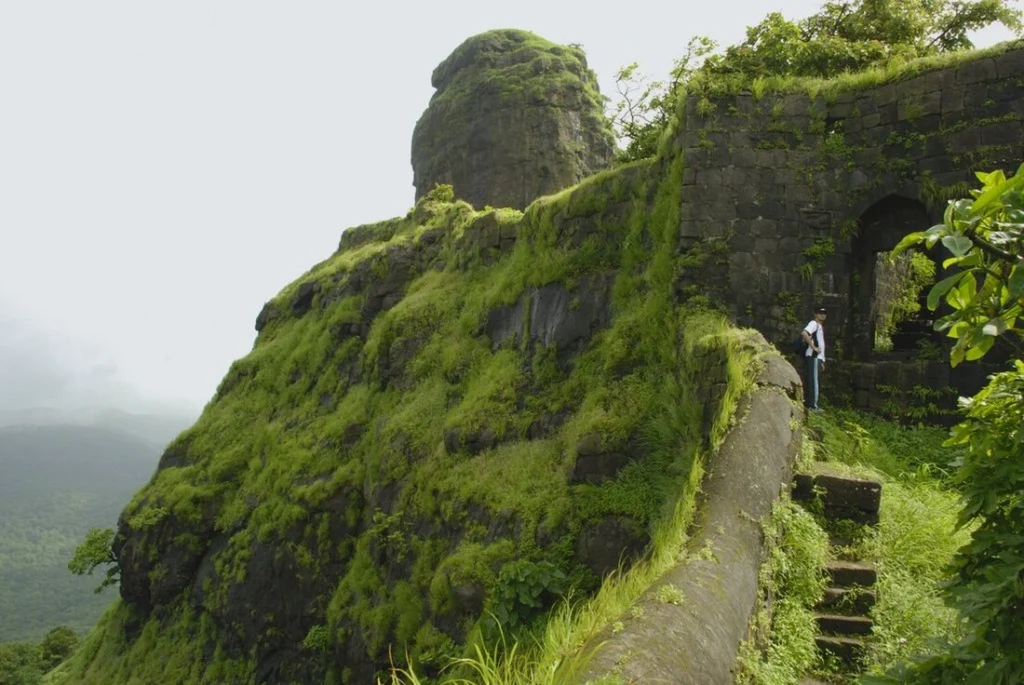
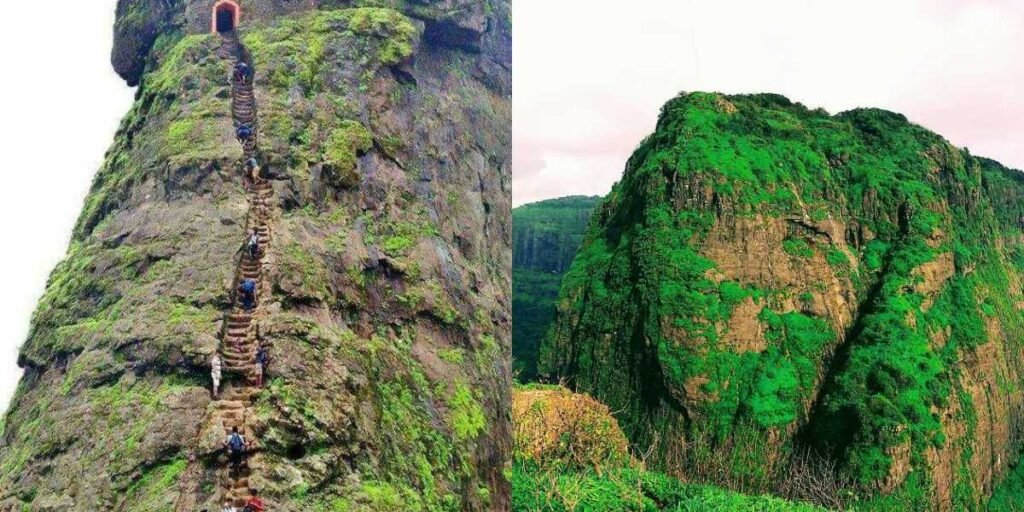
Karnala Fort: A Complete Guide to the Sentinel of the Sahyadri Hello, fellow travelers and adventure seekers! If you are looking for a perfect getaway that combines deep history, lush green forests, and a bit of a physical challenge, then you have come to the right place. Today, I am going to take you on a virtual journey to Karnala fort, one of the most beloved trekking destinations in Maharashtra. Whether you are a local from Mumbai looking for a weekend escape or a foreign tourist wanting to see the “real” India beyond the city lights, this guide is for you. 1. Introduction & Location Overview Let’s start with the basics: where is karnala fort located? You will find this magnificent structure in the Raigad district of Maharashtra. It is situated right within the Karnala Bird Sanctuary, along the Mumbai-Goa Highway (NH-66). It is about 12 kilometers away from Panvel city. The fort stands at an elevation of about 1,440 feet. What makes it special is that it isn’t just a historical site; it is surrounded by a protected forest. As you approach the area, the first thing you will notice is a giant rock pillar that looks like a thumb pointing at the sky. This is the hallmark of karnala fort. It has been a silent watcher of the Konkan coast for centuries, offering a peaceful retreat from the noise of the city. 2. Why This Fort Is Famous Karnala fort is famous for three main reasons. First, its unique “Thumb” pinnacle (called the Pandu’s tower) is a natural marvel that can be seen from miles away. Second, it is a bird watcher’s paradise. Because the fort is inside a sanctuary, you aren’t just trekking; you are walking through a home for over 150 species of birds, including rare ones like the Malabar Trogon. Third, the karnala fort trek is famous for being very “beginner-friendly.” Many forts in the Sahyadri range are very steep and difficult, but Karnala offers a gentle climb through shaded forests, making it perfect for families, children, and first-time trekkers. It is a place where you can enjoy nature without feeling completely exhausted. 3. Detailed History of the Fort Let’s dive into some karnala fort history. While we don’t know exactly who laid the first stone, historians believe the fort was built before 1400. It was originally under the rule of the Devagiri Yadavas and later the Tughlaq Sahis. The fort was a “valuable prize” because it overlooked the main trade route between the Konkan coast and the Deccan plateau. Because of this, everyone wanted it. In the 15th century, it was the capital of the north Konkan districts under the Nizam Shahi of Ahmednagar. The most famous part of its history involves the great Maratha King, Chhatrapati Shivaji Maharaj. In 1670, his army captured the fort from the Mughals. After his death, it changed hands many times between the Mughals, the Marathas, and finally the British in 1818. Every stone here has a story of a battle or a treaty. When you walk through the gates, you are walking where great warriors once stood. 4. Architecture & Strategic Importance When you look at the karnala fort information regarding its build, you see two levels. There is the lower fort and the upper fort. The lower fort was used for the soldiers and storage, while the upper fort was the main stronghold. The strategic importance was simple: height. From the top, you can see the Prabalgad, Manikgad, and Haji Malang forts. In the old days, if an enemy army was moving toward Mumbai or Pune, the guards at Karnala would see them first. The central basalt pillar (the thumb) was used as a watchtower. Even though it looks impossible to climb today without professional gear, the soldiers of the past used it to keep a 360-degree eye on the surrounding lands. 5. How to Reach the Fort Getting to karnala fort is very easy, which is why it is so popular. By Road: If you are driving from Mumbai, it takes about 1.5 to 2 hours. Just follow the Mumbai-Goa highway toward Panvel. The entrance to the bird sanctuary is right on the main road. By Train: This is the cheapest way. Take a local train to Panvel Railway Station. From there, you can take a shared rickshaw, a private taxi, or an ST (State Transport) bus. By Bus: Many ST buses going toward Alibaug, Pen, or Mahad stop at the Karnala Bird Sanctuary gate. Just tell the conductor you want to get down at “Karnala.” Trek Routes: There is one main well-defined path that starts from the entrance of the Bird Sanctuary. It is clearly marked and easy to follow. 6. Trek Information The karnala fort trek is a joy for nature lovers. Difficulty: Easy to Medium. The path is mostly a gradual slope through the woods. Only the final part near the fort entrance is a bit steep. Duration: It takes about 1.5 to 2 hours to reach the top, depending on your speed and how many photos you stop to take! Routes: There are two main trails through the forest: the “Haryal” trail and the “Mortas” trail. Both are beautiful and lead to the same destination. The Haryal trail is slightly better for bird watching. 7. Entry Fees, Timings & Permissions Since this is a protected sanctuary, you need to follow some rules: Timings: The sanctuary opens at 7:00 AM and usually closes by 5:00 PM. It is best to start your trek early in the morning to avoid the afternoon heat. Entry Fees: There is a small entry fee for adults and children (usually around ₹35–₹50). Camera Fees: If you are carrying a professional DSLR, there might be an extra charge. Parking: There is a paid parking area near the entrance for cars and bikes. 8. Best Time to Visit Choosing the karnala fort best time to visit makes a big difference in your experience. Monsoon (June to September): This
Post 4
asdhvasvhku uyuvyguv dhjvd jasd hgvhgdcvahgs
Post 3
hsdvajv. mhsvkuay ghsv uasvcjc jadhsva
Post 2
dshvbfuy hfvjdsv yvkfhvmj vgvgbhd
Post 1
h bdsasvb fhbvkjffhjefv bjsdfvav fhjv fjsveugfef